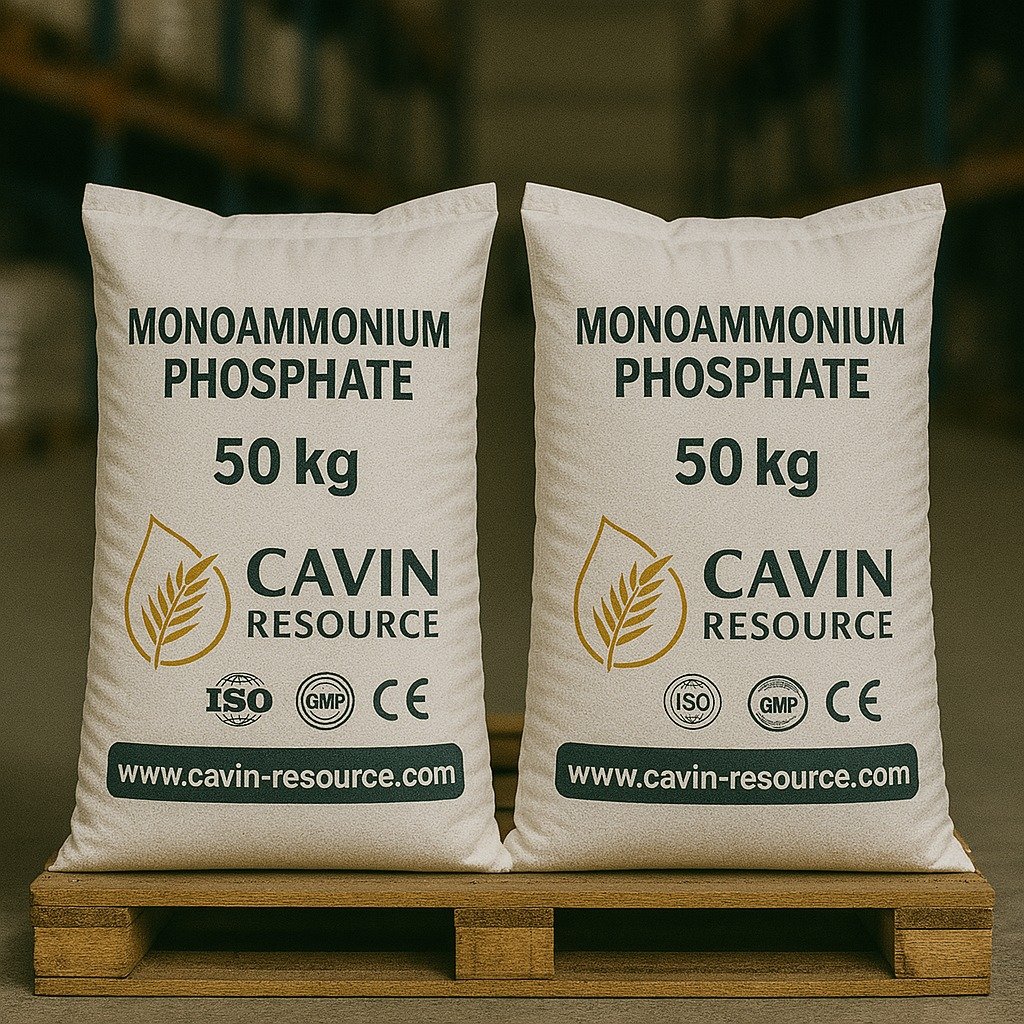
Monoammonium phosphate (MAP represents a highly concentrated plant nutrient prized for its particular blend. This granular product , typically referred to as 11-52-0 , delivers substantial amounts of phosphorus – crucial for crop growth – alongside a useful level of N . The lack of potassium oxide results in to its specialized role in horticulture where phosphorus requirements remain most important.
The Represents 11-52-0 Plant Food? A Comprehensive Guide
11-52-0 blend is a unique kind of mixture primarily used to support P uptake in plants. The numbers, 11-52-0, indicate the percentage by weight of N, phosphorus, and K2O, respectively. Essentially, it contains 11% nitrogen, a substantial 52% phosphorus, and 0% K. This phosphorus-heavy content makes it particularly valuable for establishing young seedlings and correcting phosphorus shortages in the ground. While it offers significant benefits, remember monoammonium phosphate safety data sheet that it lacks potassium, so a balanced blend may be needed for overall crop health.
NPK 11-52-0: Advantages and Employments in Agriculture
MAP 11-52-0, or MAP , is a highly effective fertilizer frequently used in modern agricultural methodologies . Its specific composition – containing 11% nitrogen and 52% phosphorus – provides essential nutrients for vegetation growth and maturation . Farmers often utilize MAP 11-52-0 to enhance base development, promote early fruiting, and strengthen overall output .
- Encourages robust root systems.
- Important for early crop development.
- Facilitates in generating high-quality produce .
Unlocking the Possibility of MAP Fertilizer Product
MAP offers significant chance for enhancing agricultural yields . Its significant levels of both phosphorus and nitrogen makes it a preferred choice for many producers, particularly in initial periods of development . Careful delivery of monoammonium phosphate can result in more robust seedling development and enhanced total crop vigor .
Monoammonium Phosphate Application
Monoammonium MAP (11-52-0) is a powerful plant food renowned for its capacity to increase crop output. This particular formulation delivers a substantial concentration of P - vital for plant structure and early growth - alongside a decent amount of nitrogen for strong foliage emergence. Applying MAP strategically can lead to noticeable gains in total plant health .
MAP {11-52-0: Your Questions Answered
Many growers have questions about MAP, particularly regarding its composition of 11-52-0. Essentially, this represents the percentage of total nitrogen, P2O5, and potassium oxide respectively. It’s a highly water-soluble source of P, crucial for root development and reproduction. Here's some common issues:
- What is the advantage of using MAP? This fertilizer offers a concentrated dose of phosphorus, which can be particularly beneficial in soils with low levels of phosphorus.
- How is it best to apply MAP? It’s typically spread and mixed in the soil, or used in band applications systems.
- Can combine MAP with other products? While mixable with some, thoroughly check compatibility to avoid issues.
Keep in mind that soil testing is always advised to establish the exact nutrient needs of your crops.